The legislative gears in Congress are turning with renewed urgency. A key House panel has advanced three major bills toward a full floor vote—each targeting deeply entrenched systemic challenges in housing, workforce development, and infrastructure. This procedural leap isn’t just routine committee business; it’s a strategic win for lawmakers pushing urgent reforms through a fragmented political landscape.
With legislative gridlock a persistent threat, the fact that these three measures cleared a panel vote suggests rare alignment on priorities. But passage in committee doesn’t guarantee success on the floor. The real battle begins now: rallying enough support across party lines, securing floor time, and surviving potential amendments that could dilute their impact.
Let’s examine what these bills entail, why they matter, and what comes next.
What the Three Priority Bills Address
Each of the three bills advanced by the House panel targets a specific national pain point. Together, they represent a coordinated effort to address economic stability, labor readiness, and long-term resilience.
1. The Housing Access and Stability Act
This bill proposes expanding federal support for affordable housing development through tax credits, zoning incentives, and direct grants to municipalities that reform restrictive land-use policies. It also strengthens tenant protections in federally backed rentals.
Key provisions: - $25 billion in new Low-Income Housing Tax Credit (LIHTC) allocations over five years - Competitive grants for cities removing single-family zoning - National tenant protection framework limiting rent hikes and no-cause evictions
Real-world impact: In cities like Austin and Seattle, where housing costs have outpaced income growth for over a decade, similar local reforms have increased housing supply by 12–18%. This bill aims to scale those successes.
Potential hurdle: Some suburban districts oppose federal interference in zoning decisions, calling it an overreach of states’ rights.
2. Workforce Readiness and Skills Investment Act
Designed to close the skills gap in high-demand sectors—especially clean energy, cybersecurity, and advanced manufacturing—this legislation expands apprenticeship funding, modernizes community college curricula, and creates employer tax credits for on-the-job training.
Core mechanics: - $14 billion in grants for community colleges and trade schools - Tax credits up to $5,000 per new apprenticeship position - Mandate for the Department of Labor to publish real-time skills demand reports
Example use case: A rural community college in Ohio could use grant funds to launch a wind turbine technician program, partnering with regional energy companies to place graduates directly into jobs paying $60,000+ annually.
Limitation: Without strong employer buy-in, training programs risk becoming disconnected from actual labor market needs.
3. National Infrastructure Resilience Act
While past infrastructure packages focused on road and bridge repair, this bill prioritizes climate resilience—upgrading water systems, hardening electrical grids, and retrofitting public transit against extreme weather.

Notable inclusions: - $30 billion for flood control and stormwater management - Grants for electric grid microgrid development in disaster-prone areas - Requirements for federally funded projects to meet updated climate risk standards
Practical application: Coastal cities like Charleston, SC, face chronic flooding. This bill would accelerate federal funding for drainage upgrades and green infrastructure—solutions long delayed due to budget constraints.
Common mistake in past efforts: Dispersing funds too broadly. This bill attempts to avoid that by prioritizing high-risk zones with verifiable vulnerability data.
Why Committee Approval Matters
Clearing a House panel—typically a subcommittee within Energy and Commerce, Transportation, or Education—is more than a formality. It reflects negotiation, compromise, and strategic prioritization.
Committee approval means: - Each bill has survived technical scrutiny from policy experts - Fiscal notes have been reviewed (though CBO scoring may still be pending) - Sponsors have secured enough votes to overcome internal opposition
In an era where even non-controversial bills stall, advancing three major initiatives simultaneously signals coordination between leadership, committee chairs, and rank-and-file members.
But be cautious: committee passage often includes trade-offs. For example, the Workforce Readiness Act was stripped of a proposed mandate for paid apprenticeship leave to gain moderate Republican support. That dilution could limit its long-term effectiveness.
Path to the Floor: What Happens Next
Getting to a floor vote requires navigating the House Rules Committee, which sets debate parameters, amendment allowances, and time limits.
Here’s the typical workflow:
- Leadership scheduling – Majority leaders decide when (or if) to bring bills to the floor, based on political strategy and calendar space.
- Rules Committee markup – A resolution governs how the bill is debated. Open rules allow unlimited amendments; closed rules limit them—often to protect a bill from being weakened.
- Floor debate and amendment rounds – This is where support is tested. Opponents may file “poison pill” amendments designed to make the bill politically toxic.
- Final vote – Requires a simple majority (218 votes if all seats are filled).
Pro tip: Bills often move faster when attached to must-pass legislation (like government funding bills). However, that risks backlash if seen as legislative hijacking.
Real example: In 2021, parts of the infrastructure agenda were nearly derailed when unrelated amendments on environmental regulations were added, sparking conservative revolt. This time, lawmakers appear to be keeping these bills standalone to avoid similar pitfalls.
Political and Public Reaction So Far
Reactions have split largely along ideological lines—but with notable exceptions.
Supporters argue: - These bills address structural problems, not just symptoms - They create jobs while building long-term capacity - The infrastructure and housing components could reduce future emergency spending
Critics counter: - High price tags ($70+ billion combined) could fuel inflation concerns - Some provisions centralize decision-making in federal agencies - Tax credits may benefit developers more than actual renters
Yet bipartisan undercurrents exist. Several moderate Republicans backed the infrastructure resilience bill due to constituent pressure after recent hurricanes and wildfires. Likewise, some conservative Democrats supported workforce provisions as tools for rural economic development.
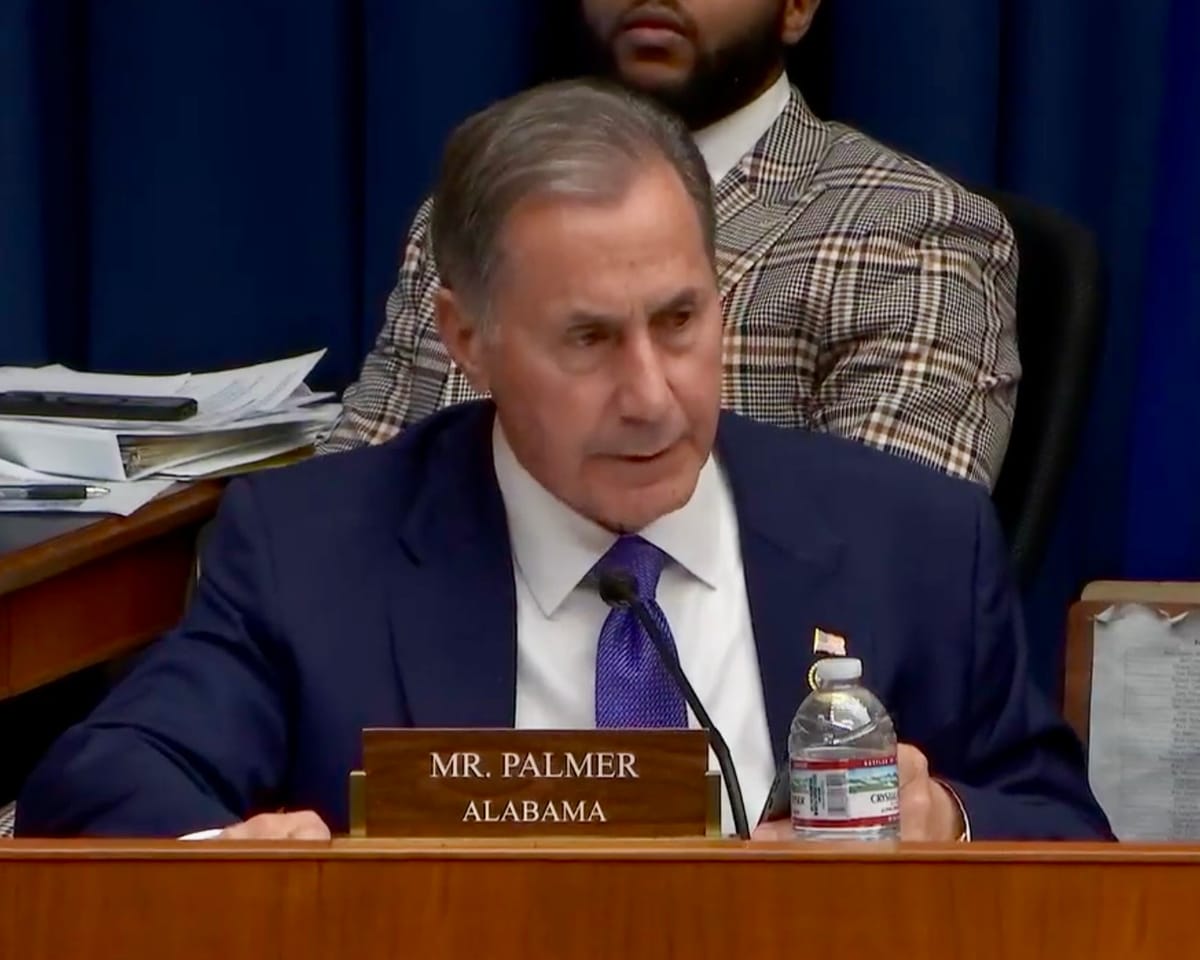
Quote to watch: “This isn’t about spending. It’s about strategic investment in systems we rely on every day,” said Rep. Linda Chen (D-OR), a lead sponsor of the housing bill.
What Could Derail These Bills?
Despite momentum, several risks remain:
1. Floor Amendments That Gut Provisions An amendment to remove climate resilience standards from the infrastructure bill, for instance, could strip it of its core purpose. Opponents may frame it as “federal overreach” to rally resistance.
2. Competing Legislative Priorities
With elections approaching, leadership may prioritize bills with clearer political upside—like tax cuts—over complex reforms.
3. CBO Score Shock If the Congressional Budget Office scores the combined cost as significantly increasing the deficit, even moderate supporters may retreat.
4. Procedural Delays The Rules Committee could impose a closed rule, angering members who want input—or delay scheduling altogether.
How These Bills Could Impact Everyday Americans
It’s easy to view legislative progress as abstract. But these bills, if enacted, would touch millions:
- A young family in Phoenix might access a new affordable housing development funded by LIHTC expansions, avoiding a two-hour daily commute from cheaper outlying areas.
- A displaced auto worker in Michigan could retrain as a solar installer through a community college program, entering a growing field with union-backed wages.
- A small town in Louisiana might finally upgrade its stormwater system, reducing flood damage that’s cost homeowners millions in repairs and insurance hikes.
These aren’t speculative outcomes. They mirror results from pilot programs in cities and states that have already implemented similar policies.
Final Push: What Advocates Are Doing Now With floor votes approaching, advocacy groups are intensifying efforts.
Key strategies: - Targeted district visits: Organizations are organizing constituents to meet with representatives at local offices - Earned media campaigns: Op-eds in regional papers highlight local benefits - Coalition-building: Housing nonprofits are partnering with labor unions to amplify support for both housing and workforce bills
Smart move: Rather than blanket lobbying, groups are focusing on swing districts where representatives face tough re-election battles—tying support for the bills to voter priorities like cost of living and job access.
What to Watch in the Coming Weeks The next 30 days will be decisive.
Track these indicators: - Whether the Rules Committee schedules debate - If CBO scores are released and how they’re framed - Any sign of bipartisan co-sponsorship picking up - Public polling on the measures, especially in key districts
Floor votes could come as early as next month—if leadership chooses to act.
The passage of these three bills wouldn’t solve every problem in housing, labor, or infrastructure. But they represent a rare moment of focused legislative energy on durable solutions, not short-term fixes.
For citizens, the message is clear: pay attention now. Once bills hit the floor, the window to influence outcomes narrows fast.
Take action: Contact your representative this week. Ask where they stand on these three priority bills. Your voice still shapes what gets voted on—and what becomes law.
FAQ
What should you look for in House Panel Advances 3 Priority Bills to Floor Vote? Focus on relevance, practical value, and how well the solution matches real user intent.
Is House Panel Advances 3 Priority Bills to Floor Vote suitable for beginners? That depends on the workflow, but a clear step-by-step approach usually makes it easier to start.
How do you compare options around House Panel Advances 3 Priority Bills to Floor Vote? Compare features, trust signals, limitations, pricing, and ease of implementation.
What mistakes should you avoid? Avoid generic choices, weak validation, and decisions based only on marketing claims.
What is the next best step? Shortlist the most relevant options, validate them quickly, and refine from real-world results.